

When purchasing a potato washing machine, many customers focus primarily on price, but quotes from different suppliers may vary significantly. In reality, the price of a potato washing machine is not determined solely by the equipment's appearance; it also depends on the washing mechanism, brush configuration, processing capacity, materials, and customization requirements. Understanding these factors can help procurement personnel compare equipment more accurately, rather than simply choosing the machine with the lowest quote.
What Affects the Price of a Potato Washing Machine?
1. Brush Roller Structure and Configuration
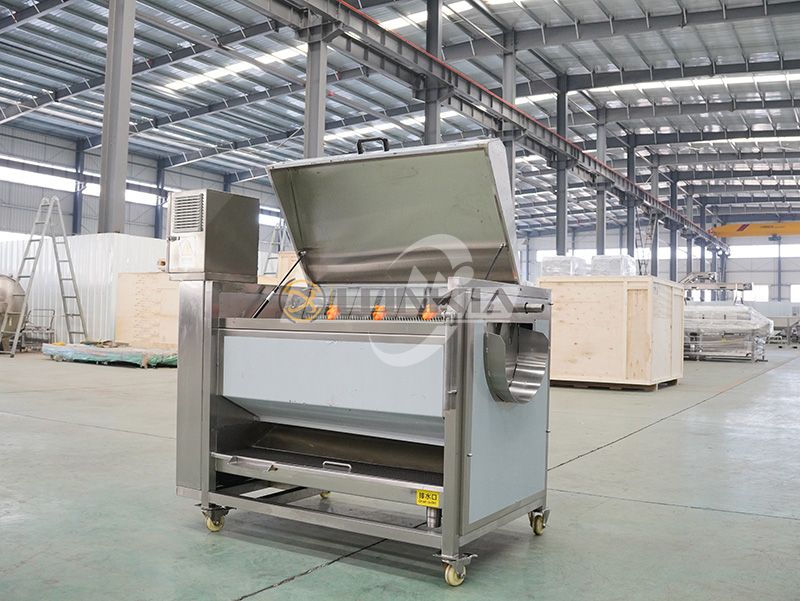
Brush rollers are the core components that enable friction-based cleaning in potato washing machines. For potatoes with heavy soil buildup on their surfaces, sufficient contact between the brushes and the produce is necessary to achieve consistent cleaning results.
The number, material, and arrangement of the brush rollers directly affect the equipment's cleaning capacity and manufacturing costs. Lonkia employs a parallel brush roller structure and allows for adjustment of brush speed and pressure based on different materials, enabling the equipment to adapt to various products such as potatoes, carrots, radishes, and sweet potatoes.
2. Equipment Processing Capacity
Processing capacity is also a key factor affecting price. When making a purchase, it is essential to consider the equipment's effective cleaning length, feed method, and the residence time of the produce within the machine.
If the cleaning speed is too fast, insufficient contact between the potatoes and the brushes may result in residual soil; if the residence time is too long, it may disrupt the processing rhythm of the entire production line. Therefore, properly matching production capacity is more important than simply pursuing higher specifications.
3. Materials and Mechanical Structure
Since potato washers are constantly exposed to water, soil, and vegetable produce, the materials used for the frame, washing tanks, and related components directly affect the equipment's service life and daily maintenance requirements.
When purchasing, it is recommended to verify the main body material, the quality of the brush rollers, and the configuration of the drive components, rather than simply comparing the total price of the machine. Equipment with a well-designed structure and key components that are easy to disassemble is also easier to maintain over the long term. The brush rollers and related components of this machine feature a design that facilitates easy disassembly, which aids in daily cleaning and inspection.
Why Shouldn't You Just Compare Potato Washing Machine Quotes?
Different quotes may correspond to completely different configurations. For example, one machine might offer only a basic washing structure, while another has been configured based on the customer's potato type, washing requirements, and production line layout.
Therefore, when requesting a quote, it is recommended to confirm the following simultaneously:
- The equipment's actual processing capacity
- Number and material of brush rollers
- Whether brush speed and pressure are adjustable
- Feed and discharge methods
- Overall equipment dimensions
- Motor and drive configuration
- Whether cleaning components are easy to disassemble
- Whether it can be connected to downstream equipment such as peelers and cutters
Price comparisons are only meaningful when configurations are fundamentally consistent.
How to Obtain a More Accurate Price for a Potato Washing Machine?
When requesting a quote from a supplier, it is best to provide information in advance regarding the type of raw material, hourly processing capacity, the amount of dirt on the potato surfaces, cleaning requirements, and existing production line equipment.
These parameters help suppliers determine the appropriate brush configuration and equipment design, rather than simply providing a generic quote. Lonkia can provide tailored potato washing equipment solutions based on customers' actual processing needs, helping them find the most suitable balance between cleaning effectiveness, equipment configuration, and production line compatibility.
Conclusion
The price of a potato washing machine is only one part of the purchasing decision. What truly matters is whether the machine can consistently achieve the desired cleaning results, whether it aligns with the production pace, and whether it is easy to maintain.
If you are purchasing a potato washing machine, we recommend first clarifying the processing capacity, raw material conditions, and cleaning requirements, and then comparing prices based on specific configurations. This approach makes it easier to select equipment that truly meets your production needs.