

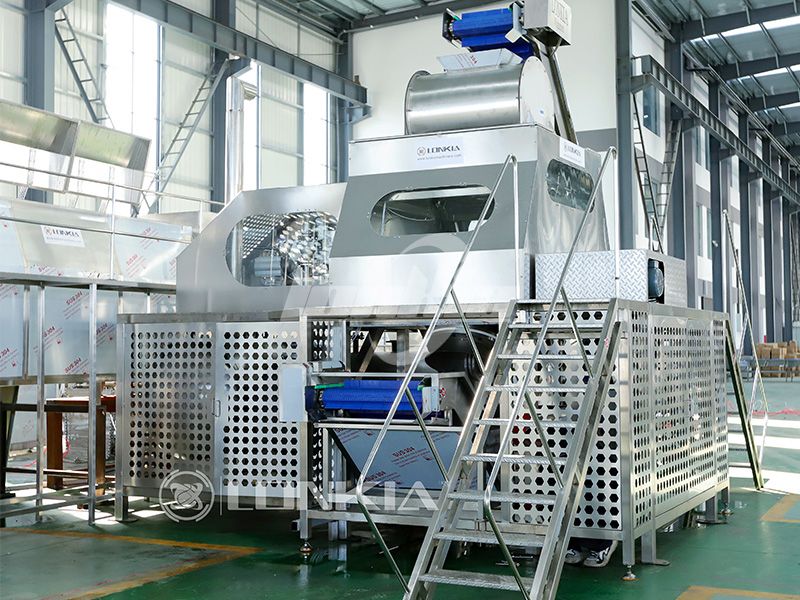
Steam peelers use high-temperature steam to soften the skins of fruits and vegetables, then utilize the machine's structure to separate the skin. They are commonly used as automated peeling equipment in the processing of raw materials such as potatoes, carrots, sweet potatoes, yams, and tomatoes. For food processing companies, the machine's ability to operate continuously and reliably is more important than simply pursuing rated production capacity. After the equipment has been in use for some time, if issues such as increased peel residue, uneven peeling, or reduced processing capacity arise, it is often not a problem with the machine itself, but rather a result of inadequate maintenance or changes in the condition of key components.
Why Does Maintenance Affect Steam Peeling Performance?
1. The Steam System Must Remain Stable
Steam pressure and temperature directly affect the degree of skin softening. If the steam supply is unstable, some raw materials may be under-peeled while others may be over-processed. Therefore, before production begins, inspect the steam piping, valves, and connections to ensure there are no obvious leaks, and maintain the pressure control system in proper working order.
Different fruits and vegetables have varying skin thicknesses and tissue structures, so steam parameters must be adjusted based on the condition of the raw materials during actual processing, rather than using exactly the same settings over the long term.
2. The Rotating Pressure Chamber Must Operate Normally
As raw materials move within the rotating pressure chamber, their surfaces come into more thorough contact with the steam. If the rotating mechanism operates erratically, the raw materials may be heated unevenly, ultimately resulting in a higher concentration of residual skin in certain areas.
During routine maintenance, focus on inspecting drive components, connection points, and operational status. If abnormal noises, jamming, or noticeable vibrations are detected, shut down the steam peeler immediately for inspection.
Why Do Brush Rollers Also Require Regular Inspection?
Some steam peelers are equipped with brush rollers to further remove skin residue after steam treatment. If the brush rollers are severely worn or have a significant buildup of skin residue on their surfaces, the effectiveness of subsequent cleaning may be reduced.
It is recommended to inspect the condition of the brush rollers regularly based on actual production volume and to promptly remove any accumulated material. For products requiring a high level of surface cleanliness, the operating condition of the brush rollers warrants particular attention.
How Can A More Practical Maintenance Process Be Established?
Daily Inspections
After production ends, clean residual material from the interior of the steam peeling machine and inspect the steam lines, pressure control components, and brush rollers. Keeping areas in contact with the material clean can minimize the impact of residual material on subsequent production.
Periodic Inspections
Based on the steam peeling equipment's operating frequency, inspect the drive system, seals, valves, and critical connections. For continuously operating processing lines, it is especially important to establish a fixed inspection schedule rather than waiting until peeling performance has noticeably declined before taking action.
Consistent Maintenance Ensures Stable Production Capacity
The actual performance of a steam peeler depends not only on the equipment design but is also closely related to steam parameters, raw material conditions, and daily maintenance. LONKIA can provide equipment configuration recommendations tailored to customers' raw materials, processing capacity, and production processes, helping customers clarify equipment parameters and maintenance priorities as early as the procurement stage.
For food processing companies planning to use steam peeling machines over the long term, establishing standardized inspection and cleaning procedures not only helps maintain peeling effectiveness but also reduces production interruptions caused by fluctuations in equipment condition, ensuring more stable operation of the entire processing line.