

When purchasing pineapple processing equipment, one of the most common challenges many customers face is determining the appropriate production capacity for their machinery. If the equipment's capacity is too low, it can affect order fulfillment; if it is over-specified, it can lead to wasted budget and idle equipment. Therefore, selecting a pineapple peeling machine with the right capacity directly impacts a factory's production efficiency and long-term operating costs.
Currently, an increasing number of food processing companies are adopting automated pineapple peeling equipment to replace traditional manual methods. Compared to manual peeling, automated equipment not only offers more consistent efficiency but also reduces pulp loss and improves product consistency.
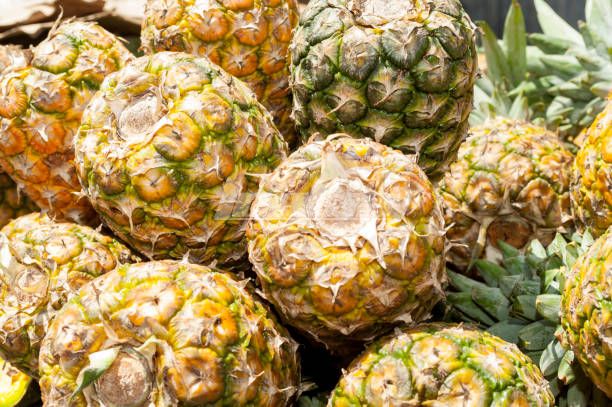
Why Does the Selection of a Pineapple Peeling Machine's Capacity Matter?
When inquiring about equipment, many customers often focus solely on the pineapple peeler machine price while overlooking the core issue that truly impacts production: actual processing requirements.
Pineapples are high-fiber, high-juice fruits. Manual processing is slow, and prolonged operation can easily reduce efficiency. An automated pineapple peeling machine can automatically complete processes such as peeling, eye removal, and coring, significantly reducing reliance on manual labor.
If the equipment's capacity is insufficient, common issues include:
- Raw material backlog, affecting freshness
- Increased manual waiting time
- Subsequent cutting and packaging equipment is unable to operate continuously
- Inability to deliver peak-season orders on time
Conversely, excessive equipment capacity also leads to problems:
- Increased energy consumption
- Reduced space utilization
- Longer equipment payback period
Therefore, matching capacity appropriately is more important than simply pursuing larger machines.
How to Determine Your Required Capacity?
When selecting a pineapple peeling machine, consider the following factors:
Daily Raw Material Processing Volume
First, determine how many pineapples need to be processed daily.
For example:
- Processing 1–3 tons of raw material daily
- Processing over 5 tons of raw material daily
- Whether there is a surge in orders during peak seasons
Some automatic pineapple peeling machines can process over 500 pineapples per hour, while continuous-feed models can handle 1–3 tons per hour.
Therefore, when selecting equipment, one should not rely solely on theoretical capacity but must also consider actual continuous operation conditions.
Compatibility with the Downstream Production Line
Many customers not only purchase pineapple peeling equipment but also integrate it with:
- Cubing machines
- Juicing equipment
- Drying equipment
- Canning production lines
If the peeling speed at the front end is too fast and the downstream equipment cannot keep up, material jams are likely to occur. Therefore, the compatibility of the entire production line is crucial.
When designing solutions, Lonkia typically matches equipment based on the customer's entire production process to avoid capacity imbalances in individual machines.
What Capabilities Should a Good Pineapple Peeling Machine Have?
In addition to capacity, customers should also focus on the machine's stability.
Automatic Adaptation to Different Pineapple Sizes
Raw material sizes often vary across factories. If the machine cannot automatically adjust the peeling depth, it can lead to fruit waste.
Currently, more advanced pineapple peeling machines can automatically adjust blade positions based on fruit size, thereby improving pulp yield.
Adjustable Peeling Thickness
Different products have varying requirements for pulp retention.
For example:
- Canned pineapple prioritizes visual integrity
- Dried pineapple prioritizes slice consistency
- Juice processing prioritizes processing efficiency
Adjustable blades help customers adapt to different product requirements.
Food-Grade Stainless Steel Construction
Due to the high acidity of pineapples, equipment is prone to corrosion after prolonged contact with juice. Therefore, 304 stainless steel has become the standard configuration.
Food-grade construction is not only more durable but also facilitates daily cleaning and maintenance.
Choosing the Right Equipment Is More Important Than Blindly Pursuing High-End Specifications
For food processing companies, a truly suitable pineapple peeling machine must be capable of long-term, stable operation and genuinely help the factory improve efficiency and reduce waste.
During the actual procurement process, we recommend that customers focus on the following:
- Actual processing requirements
- Raw material specifications
- Subsequent production processes
- Equipment stability
- Ease of maintenance
Only equipment that truly matches production needs can help enterprises achieve more stable production capacity and higher product quality.
As the demand for automated processing continues to rise, more and more enterprises are adopting smarter pineapple processing solutions. Stable, efficient, and low-waste equipment is also becoming a key trend in the modern fruit processing industry.