

For tomato processing companies, selecting an industrial tomato peeler requires considering not only the price of the equipment but also its processing capacity, peeling effectiveness, pulp loss, and equipment specifications. Especially in the production of canned tomatoes, diced tomatoes, and tomato sauce, the quality of peeling directly impacts subsequent processing.
So, what factors actually determine the price of an industrial tomato peeler? Which specifications should be prioritized during the procurement process? Understanding the following aspects will help companies select the right equipment based on their actual production needs.
Equipment Processing Capacity Determines Basic Specifications
Processing capacity is one of the key factors affecting the price of a tomato peeler. Different processing projects have varying requirements for hourly raw material throughput, and equipment specifications and configurations will differ accordingly.
1. Select Equipment Based on Hourly Processing Volume
The processing capacity of an industrial tomato peeler is typically determined in conjunction with production plans. LONKIA steam tomato peelers have a reference processing capacity of 500–5,000 kg/h and can be customized to meet specific production needs.
When making a selection, companies need to clearly define their daily processing volume, hourly raw material supply, and actual operating time. At the same time, the processing speeds of downstream cutting, cooking, and packaging equipment should be considered to prevent the peeling process from becoming a bottleneck in the entire production line.
2. Focus on the Equipment's Actual Processing Performance
The tomato peeling equipment's rated capacity does not guarantee that all tomato raw materials will achieve the same processing results. Tomato variety, ripeness, size, and feed condition can all affect actual operating capacity. Therefore, testing with actual raw materials should be conducted before purchasing.
Steam System and Technical Parameters Affect Equipment Costs
Steam peeling machines use high-temperature steam to rapidly soften the tomato skin, allowing the skin to separate from the flesh. The configuration of the steam system directly affects the equipment's peeling effectiveness and operational requirements.
1. Steam Pressure and Processing Time
The recommended steam pressure for the tomato peeler is 0.6–1.2 MPa, with a processing time of approximately 3–10 seconds, which can be adjusted based on the characteristics of the raw material.
Insufficient steam pressure may result in incomplete peeling, while excessive processing time may increase the risk of pulp softening. Therefore, when purchasing, attention should be paid to pressure control, processing time adjustment, and equipment operational stability, rather than merely comparing numerical specifications.
2. External Boiler and Steam Supply Configuration
Steam-powered tomato peelers require an external steam boiler or a suitable steam supply system. The boiler's steam capacity, piping connections, and pressure stability must all be confirmed in advance.
When requesting a quote, clarify whether the boiler is included in the equipment price and whether additional steam piping and related accessories are required to avoid overlooking associated costs.
Equipment Materials and Level of Automation
Equipment materials and control configurations are also key factors affecting procurement costs.
1. Food-Contact Materials
Since tomato peeling machines come into prolonged contact with food ingredients, the equipment materials must comply with food processing requirements. LONKIA steam tomato peeling machines are manufactured from SUS304 stainless steel, which facilitates daily cleaning and meets production needs.
When purchasing, you should also verify the specific materials used for major contact parts, the chamber, and related structural components.
2. Automation Controls and Operational Configuration
The level of automation affects the equipment's manufacturing costs. Steam pressure control, processing time adjustment, and the operational control system all influence the tomato peeler's configuration.
Companies should select an appropriate automation solution based on their actual production processes, focusing on operational convenience, operational stability, and daily maintenance requirements.
Customization Requirements and Production Line Integration
If the tomato peeler needs to be integrated into an existing production line, the equipment design and integration methods may also affect the final quote.
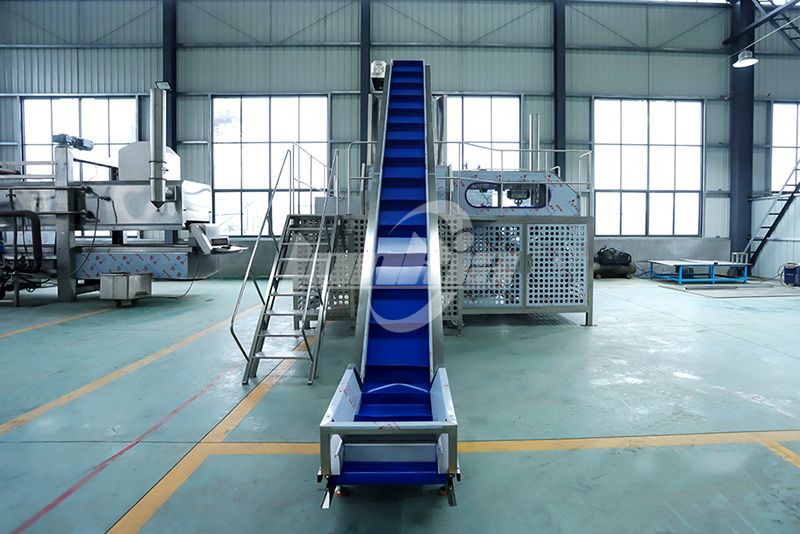
For example, the equipment's feed and discharge directions, conveying height, connection methods, and processing capacity must all be determined in conjunction with the on-site layout. For the production of diced tomatoes and canned tomatoes, special attention should also be paid to the integrity of the peeled tomatoes to prevent excessive softening of the pulp, which could affect subsequent cutting processes.
Therefore, it is recommended to provide the supplier with the production line layout, raw material characteristics, and downstream processing requirements prior to purchase to ensure a reasonable equipment configuration.
Conclusion
The price of industrial tomato peeling machines is closely related to processing capacity, the steam system, equipment materials, automation configurations, and customization requirements.
LONKIA can provide recommendations for steam peeling equipment configurations based on the customer's raw material characteristics and production capacity requirements. When selecting tomato peeler, it is important not only to compare procurement costs but also to focus on peeling effectiveness, pulp integrity, and compatibility with subsequent production lines, thereby identifying a solution that meets actual production needs.