

In the potato processing industry, peeling is a critical step that affects product quality, processing efficiency, and raw material utilization. Traditional manual peeling methods struggle to meet the demands of continuous production, while conventional mechanical peeling often results in surface damage and high wastage. As a result, an increasing number of food processing companies are turning their attention to steam peelers, hoping to improve potato processing outcomes through a more consistent peeling method.
For customers planning to purchase potato processing equipment, selecting a steam peeling machine requires not only understanding the equipment's operating principles but also considering its processing capacity, peeling effectiveness, equipment design, and compatibility with existing production processes. This article will guide you on how to choose the right potato steam peeling machine from a practical procurement perspective.
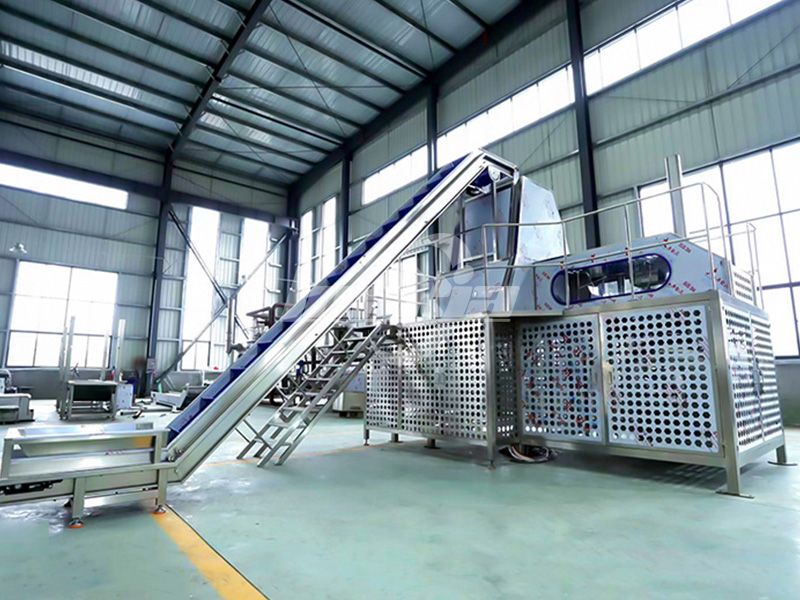
How Is a Steam Peeling Machine Used in Potato Processing?
Steam peeling machines for potatoes primarily use high-temperature steam to rapidly soften the potato skin. By applying pressure changes, the skin is separated from the internal tissue, and residual skin is then removed via subsequent washing or brushing mechanisms, enabling continuous peeling processing.
Compared to traditional knife-cutting or friction-based peeling methods, steam peeling is better suited for irregularly shaped potatoes. It minimizes loss of edible flesh beneath the skin while maintaining the integrity of the potato's surface.
In processing lines for French fries, potato chips, and frozen potato products, steam peelers are typically installed after the washing equipment to provide clean, consistent raw material for subsequent cutting, rinsing, frying, or quick-freezing processes.
Why Do Food Processing Companies Choose Potato Steam Peelers?
1. Improved Peeling Results
Potato surfaces often feature irregularities such as indentations and sprout eyes, which conventional mechanical peeling may fail to handle uniformly. Steam peeling utilizes pressure to ensure thorough contact between the steam and the surface of the raw material, achieving a more uniform peeling result.
For companies producing French fries or potato chips, consistent peeling results minimize the impact of impurities during subsequent processing and enhance the consistency of the final product.
2. Reducing Raw Material Waste
Potato processing companies place great emphasis on raw material utilization. By controlling steam pressure and processing time, steam peelers remove only the outer layer of skin, thereby reducing product waste caused by excessive cutting.
Over the long term, consistent peeling results help companies better control production costs.
3. Suitable for Integration into Automated Production Lines
Modern food processing plants typically require seamless coordination between equipment. Steam potato peelers can be integrated with elevators, washers, sorting equipment, slicers, and other machinery to form a complete potato processing workflow.
When purchasing equipment, customers must not only consider the performance of individual machines but also verify whether the equipment can be easily integrated into their existing production lines.
What Parameters Should You Consider When Purchasing a Steam Peeling Machine?
1. Processing Capacity
Since production needs vary by customer, the steam peeler's processing capacity is a key factor in selecting a model. Before purchasing, you need to clarify:
- How many potatoes need to be processed per hour?
- What is the processing speed of downstream equipment?
- Is continuous operation required?
Only by aligning with the overall production rhythm can you avoid equipment idling or becoming a production bottleneck.
2. Steam Control System
Steam pressure, temperature, and processing time directly affect peeling results.
High-quality equipment typically features a stable pressure control system that allows processing parameters to be adjusted according to different potato varieties and sizes, ensuring more consistent peeling results.
3. Equipment Materials and Structure
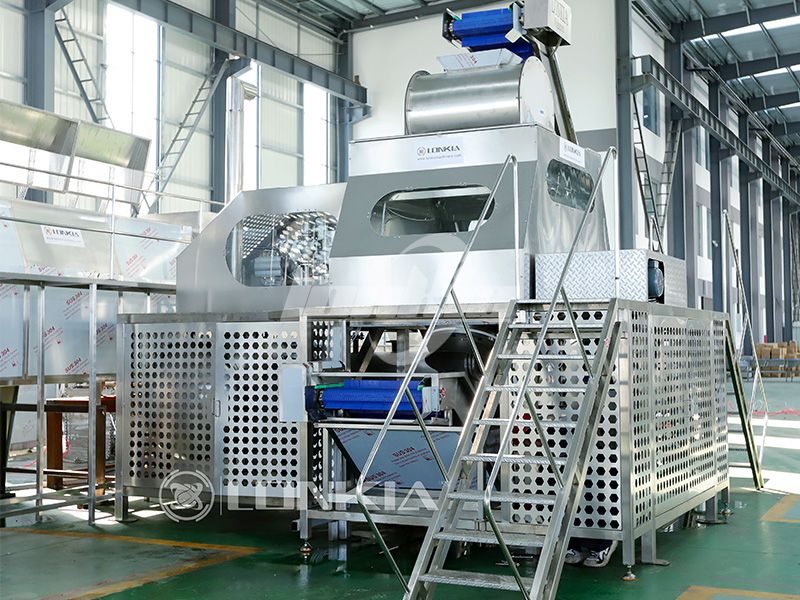
Food processing equipment is in constant contact with moisture and raw materials, so material selection is critical. Equipment made of food-grade stainless steel offers excellent corrosion resistance while facilitating daily cleaning and maintenance.
The Lonkia Steam Peeling Machine features a stainless steel structure commonly used in food processing equipment and offers configuration options tailored to different processing needs, helping customers establish a stable potato processing workflow.
Conclusion
For potato processing companies, the Steam Peeling Machine is not merely a peeling device but a key piece of equipment that influences the stability of the entire production process. When selecting equipment, priority should be given to peeling quality, processing capacity, structural design, and compatibility with the production line.
A potato steam peeler suited to a company's specific production needs can help ensure more consistent processing quality and provide a reliable foundation for subsequent processes such as cutting, frying, and freezing.
With technical support and customized solutions from professional equipment manufacturers, companies can more accurately select potato processing solutions that meet their specific requirements.