

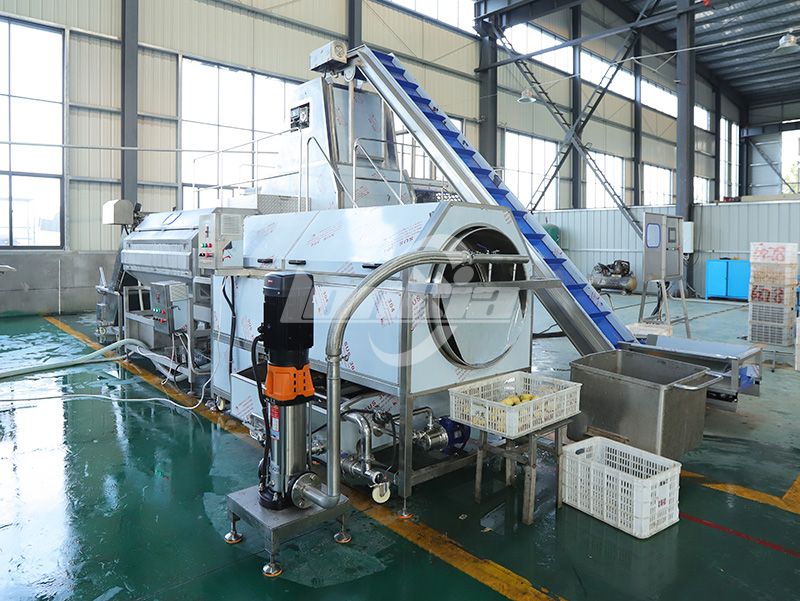
During the processing of bananas and plantains, the operating conditions of the peeling equipment directly affect production cycle time, raw material utilization, and the efficiency of subsequent processing steps. For production lines that use a steam peeling process, the steam supply, pressure control, sealing condition, and processing parameters must remain stable. Proper daily maintenance on the banana peeler machine helps detect equipment abnormalities early, reduce unplanned downtime, and maintain consistent peeling results across batches.
What to Check During Routine Maintenance of the Banana Peeler Machine?
1. Inspect Steam Piping and Sealing Components
The steam peeler softens the skin of the raw material using high-temperature steam, which is then removed in subsequent peeling processes. Therefore, the stability of the steam supply, the integrity of piping connections, and the condition of sealing components all affect equipment operation.
Before each startup, inspect the piping, valves, connections, and seals for leaks, wear, or abnormalities. If any issues are found, stop the machine immediately and have a professional inspect it; never disassemble or tighten components while the equipment is under pressure.
2. Inspect Pressure Control and Safety Devices
Pressure gauges, control systems, safety valves, and associated interlock devices are critical components of the steam peeling machine. Operators should verify that instrument readings are normal, safety devices are in the specified state, and operating parameters are in accordance with the equipment manual.
If pressure fluctuations, abnormal alarms, or significant changes in pressure-rise time occur, prioritize inspecting the steam supply and control system; avoid resolving poor peeling results by arbitrarily increasing pressure.
How to Reduce Operational Failures and Unplanned Downtime?
1. Maintain Stable Processing Parameters
Processing conditions may vary depending on banana variety, ripeness, and raw material size. During banana peeler machine production, record the loading quantity, processing time, steam parameters, and peeling results for each batch.
If there is an increase in residual peel or damage to the fruit pulp, first inspect the condition of the raw materials, the loading quantity, and the subsequent peeling stages, then adjust the parameters based on test run results. Establishing standardized operating records helps quickly pinpoint problems and avoid repeated trial-and-error.
2. Regularly Inspect Wear-Prone Components
Seals, valves, and related connecting parts may experience wear during prolonged operation. Companies should develop an inspection schedule based on equipment usage frequency and manufacturer recommendations, and prepare compatible spare parts in advance.
For pressure vessels and safety accessories, inspections and maintenance should be conducted in accordance with regulations to ensure the equipment always operates within permissible working conditions.
How Does Cleaning and Maintenance Affect Equipment Operation?
After banana processing is complete, shut down the banana peeler machine, relieve pressure, and isolate power sources in accordance with operating procedures before cleaning residual material from the interior of the equipment and areas that come into contact with raw materials. During cleaning, avoid directly flushing electrical components or disassembling pressure systems without authorization.
After cleaning is complete, verify that all relevant components have been properly reinstalled and document any abnormalities. A standardized cleaning process not only helps maintain hygiene standards but also minimizes the impact of residual material on subsequent operations and inspections.
Establish a Maintenance Plan to Ensure Stable Production
It is recommended that companies organize maintenance work into three levels:
- Daily Inspections: Check piping, valves, gauges, the exterior of the equipment, and operating records.
- Scheduled Maintenance: Inspect seals, connections, control systems, and safety devices based on frequency of use.
- Troubleshooting: Immediately shut down the equipment to investigate issues such as abnormal pressure, alarms, leaks, or persistent fluctuations in peeling performance, and document the results of repairs.
Specific inspection intervals should be based on the equipment manual and applicable safety standards; professional inspections should not be replaced by fixed, generic schedules.
Summary
Equipment design, pressure control methods, parts availability, and technical support all impact long-term operational management. Before purchasing, customers are advised to verify the equipment's processing capacity, steam requirements, maintenance needs, safety configurations, and spare parts availability.
LONKIA banana peeler machines use steam to soften the skin, followed by a peeling process, and can be used to process a wide variety of fruits and vegetables. Customers planning to include bananas or plantains in their processing operations should provide details in advance regarding the variety, ripeness, target production capacity, and peeling requirements to confirm the equipment’s suitability.