

Plastic baskets and crates are widely used in food processing, logistics, agriculture, and manufacturing. However, maintaining their hygiene is critical—especially in industries with strict sanitary requirements. An industrial plastic basket washing machine can help improve efficiency, save labor, and ensure compliance with food safety standards.
But with so many models on the market, what features actually matter when choosing the right machine for your operation?
1. Capacity and Throughput
The first thing to consider is how many baskets you need to clean per hour.
Small units: 50–150 baskets/hour — suitable for small businesses
Mid-size machines: 200–500 baskets/hour — ideal for batch cleaning
Large-scale tunnel washers: 800–1,200+ baskets/hour — for continuous operations
Tip: Choose a machine that matches your production volume without creating a bottleneck.
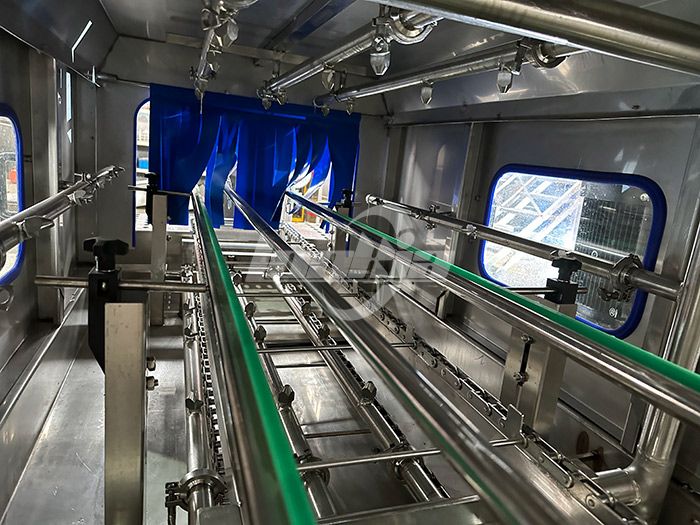
2. Automation Level
Automation affects both efficiency and labor cost.
Manual/semi-automatic machines: Lower cost, but need manual loading/unloading
Fully automatic machines: Include conveyors, sensors, and drying systems to minimize human involvement
PLC Control Panel: Enables easy parameter setting and fault detection
Automation not only improves productivity but also reduces operator fatigue.
3. Cleaning Stages and Spray System
Effective cleaning relies on multi-stage washing, which may include:
Pre-wash: Loosens debris
Main wash: High-pressure water jets or detergent spray
Rinse: Removes detergent residues
Disinfection (optional): For medical/food industries
Drying (optional): Hot air blower or air blade system
Look for machines with 360° rotating spray nozzles and adjustable spray pressure for better results.
4. Heating System
Heating is essential for removing grease and ensuring sanitation.
Electric Heating: Convenient and compact, but higher energy cost
Steam Heating: Fast and energy-efficient (ideal for plants with steam lines)
Gas Heating: Cost-effective for high-volume washing
Choose a heating method based on your available energy sources and operational budget.
5. Build Quality and Material
Durability is key for industrial environments.
Food-grade 304 stainless steel is a must for hygiene and corrosion resistance
Reinforced frames and sealed components help withstand long-term use
Waterproof electrical components for safety in wet environments
6. Water Recycling System
An eco-friendly machine should include:
Water filtration system to remove debris
Recycling tanks to reuse rinse water
Automatic water level and temperature control
This not only reduces water usage but also cuts detergent and energy costs.
7. Adaptability and Customization
Different basket sizes? Unique shapes?
Look for adjustable conveyor guides
Ensure the spray system can be tailored to your basket height and depth
Some suppliers offer custom molds for special cleaning trays
Customization ensures the machine fits your actual production line.
8. Easy Maintenance and Cleaning
Hygiene starts with the machine itself.
Openable panels for easy access
Quick-disassemble spray arms
Self-cleaning filters and removable tanks
Maintenance-friendly design reduces downtime and improves machine longevity.
Summary Table
| Feature | Why It Matters |
|---|---|
| High Capacity | Meets production demand efficiently |
| Automation | Reduces labor cost and error |
| Multi-stage Washing | Ensures deep cleaning and sanitation |
| Heating System | Improves oil/grease removal and sterilization |
| Stainless Steel Build | Long-lasting, hygienic, corrosion-resistant |
| Water Recycling | Saves cost and supports sustainability |
| Customization | Matches your basket types and factory needs |
| Easy Maintenance | Minimizes downtime and simplifies operation |
Final Thoughts
Choosing the right industrial plastic basket washing machine requires more than just checking the price. It’s about investing in a reliable, efficient, and long-lasting solution that fits your production needs.
Need help selecting the right model?
👉 Contact us today for free consultation, machine recommendations, and factory prices.